
 August 12, 2026
Quartz vs Quartzite Countertops is one of the most confusing countertop comparisons for homeowners. The names sound almost identical, and both materials can have similar colors and veining.
But quartz and quartzite are very different countertop materials.
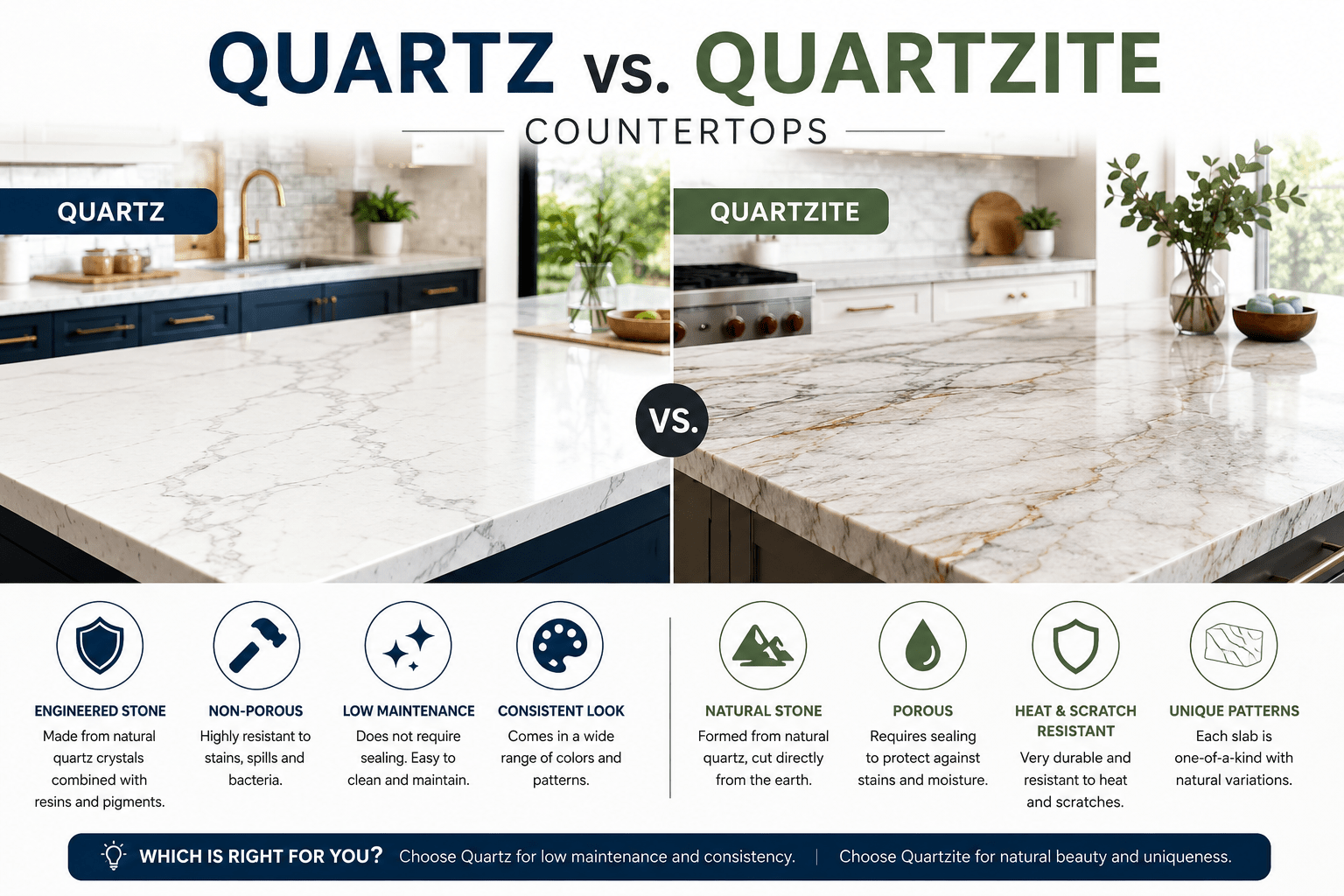
Quartz is an engineered surface designed to provide consistency and low maintenance. Quartzite is a natural stone known for unique patterns, natural variation and excellent heat resistance.
So, which is better: quartz or quartzite for kitchen countertops?
There isn’t one answer for everyone. The right choice depends on how you use your kitchen, how much maintenance you’re comfortable with and what you expect your countertops to look like years after installation.
At Megastone, we fabricate both quartz and natural stone. Here’s what we believe homeowners should know before buying either one.
Let’s clear up the biggest misconception first:
Quartz and quartzite are not two versions of the same countertop.
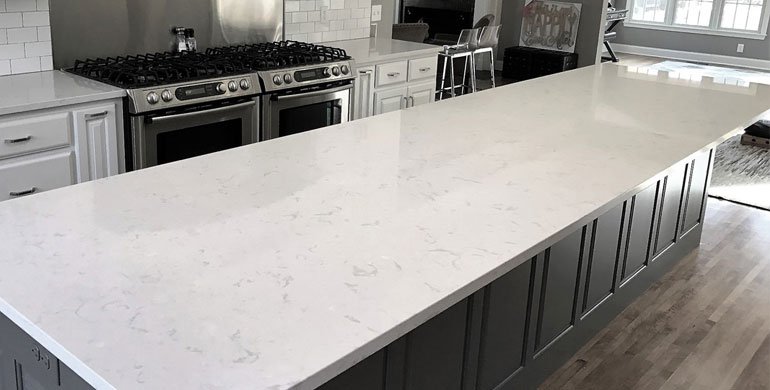
Quartz countertops are manufactured using quartz minerals combined with resins, pigments and other materials.
Because quartz is engineered, manufacturers have much more control over its color and pattern. This is why you can select a quartz design and generally know what the finished countertop will look like.
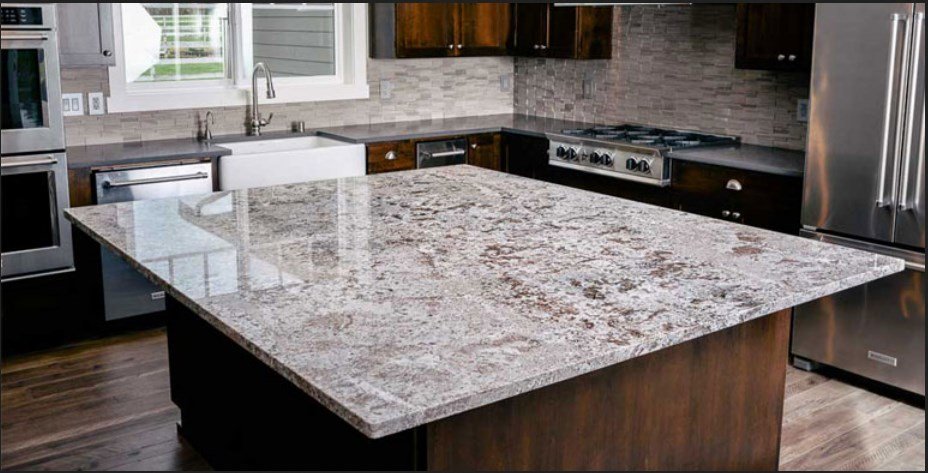
Quartzite is formed naturally when sandstone undergoes intense heat and pressure within the earth.
It is quarried in large blocks and cut into slabs.
Every quartzite slab is different.
That difference—engineered vs. natural—explains many of the practical differences between quartz and quartzite.
| Feature | Quartz | Quartzite |
|---|---|---|
| Material | Engineered surface | Natural stone |
| Appearance | More predictable | Naturally unique |
| Maintenance | Low | Higher |
| Sealing | Generally not required | Generally required |
| Stain resistance | Very good | Depends on stone and sealing |
| Heat resistance | Moderate; high heat can damage it | Generally excellent |
| Slab variation | Lower | Significant |
| Porosity | Nonporous | Porous to varying degrees |
| Repairs | Can be difficult to perfectly match | Depends on the damage and stone |
| Price | Wide price range | Premium slabs can be expensive |
| Best for | Easy everyday living | Natural-stone beauty |
Generally, yes.
Quartzite is natural stone, and many quartzites can absorb liquids if they’re left unprotected.
A quality stone sealer helps reduce absorption and gives you additional time to clean spills.
But this is important:
Sealed does not mean stain-proof.
Wine, cooking oils, coffee and other liquids shouldn’t be allowed to sit indefinitely simply because your countertop was sealed.
Some quartzites are denser than others, so maintenance requirements can vary by stone.
If you want a countertop where periodic sealing isn’t something you want to think about, quartz is usually the easier choice.
It can.
Quartzite’s stain resistance varies depending on the particular stone, its porosity, the quality and condition of the sealer and what is spilled.
This is one area where homeowners sometimes receive unrealistic expectations.
Quartzite can be incredibly beautiful and durable, but natural stone isn’t maintenance-free.
If you regularly leave cooking oil, wine or other liquids sitting on your countertop overnight, understand that quartzite may require more care than quartz.
Quartz is nonporous and generally highly resistant to everyday staining.
That doesn’t mean you should leave every spill sitting indefinitely.
Certain chemicals, cleaners and substances can discolor or damage engineered surfaces.
The practical difference is that quartz usually requires less day-to-day concern about absorption than quartzite.
This is an important difference for people who cook frequently.
Quartz countertops contain resin.
High temperatures can potentially damage or discolor those resins.
Do not place extremely hot cookware directly on quartz countertops.
Use a trivet or heat-resistant pad.
If someone tells you quartz is completely heat-proof because it contains stone, that’s not the whole story.
Natural quartzite generally has much better heat resistance than engineered quartz because it doesn’t rely on the same resin binders.
We still recommend protecting any expensive countertop from unnecessary thermal shock.
But between quartz and quartzite, quartzite has the advantage when it comes to high temperatures.
Quartzite is an extremely hard natural material.
That doesn’t make it indestructible.
Edges, corners and areas around sink and cooktop cutouts can still chip from a hard impact.
This is an important distinction:
Hardness and impact resistance aren’t the same thing.
Don’t treat quartzite—or any premium countertop—as a workbench just because it’s stone.
If you’re considering quartzite, this is something you need to understand before purchasing your slab.
Natural stone can contain fissures, mineral deposits, color changes, pits and other characteristics created during its formation.
Those characteristics don’t necessarily mean something is wrong with the slab.
They’re part of buying natural stone.
If you’re someone who will look at every line and ask, “Is this a crack?” or expect every section of your countertop to be completely uniform, quartzite may not be the best material for you.
Quartz is generally a better option for customers who want predictability.
With quartzite, don’t make your decision based only on a small sample.
Look at the actual slab whenever possible.
A 4-inch sample cannot show you what a large natural stone slab will look like across a 10-foot kitchen island.
Veins may become heavier or disappear. Colors can change across the slab. Natural characteristics may appear in one section but not another.
That’s not necessarily a defect.
That’s natural stone.
For the average busy household, quartz is often the more practical option.
It’s low maintenance, highly stain resistant and visually predictable.
Quartz works especially well for:
Consider quartzite for:
It can be—sometimes considerably.
Both materials have large price ranges, so there’s no universal rule.
However, premium and exotic quartzite slabs can become expensive. Fabrication can also require additional planning, tooling and labor depending on the material and project.
With quartzite, you’re often paying partly for something engineered quartz cannot truly provide:
a slab created by nature that no other kitchen will exactly duplicate.
Whether that’s worth the additional cost is personal.
If your priority is:
Low maintenance → Quartz
Consistent appearance → Quartz
Stain resistance → Quartz
Natural stone → Quartzite
Unique veining and character → Quartzite
Better heat tolerance → Quartzite
Lowest amount of maintenance → Quartz
A dramatic statement island → Quartzite
Neither material wins every category.
And that’s exactly why we don’t believe there’s one “best countertop.”
The biggest mistake isn’t choosing quartz.
And it isn’t choosing quartzite.
It’s buying one while expecting it to behave like the other.
Don’t buy quartzite because you fell in love with the slab and then become frustrated that natural stone requires maintenance.
Don’t buy quartz because you want zero maintenance and then regularly place extremely hot pans directly on it.
Know what you’re buying.
Know how you’re going to use it.
Then choose accordingly.
Megastone provides professional quartz and quartzite countertop fabrication and installation from our facility in Elk Grove Village, Illinois.
We serve homeowners, contractors, designers and builders throughout Chicago and the surrounding suburbs, Northwest Indiana, Milwaukee and southeastern Wisconsin.
Whether you’re comparing quartz vs. quartzite for a kitchen countertop, designing a statement island or simply looking for a countertop that can survive everyday family life, our team can help you understand the differences before you purchase your material.
At Megastone, we’d rather explain the disadvantages before we fabricate your countertops than have you discover them afterward.
Choose the countertop that fits your lifestyle—not just the one that looks best in the showroom.